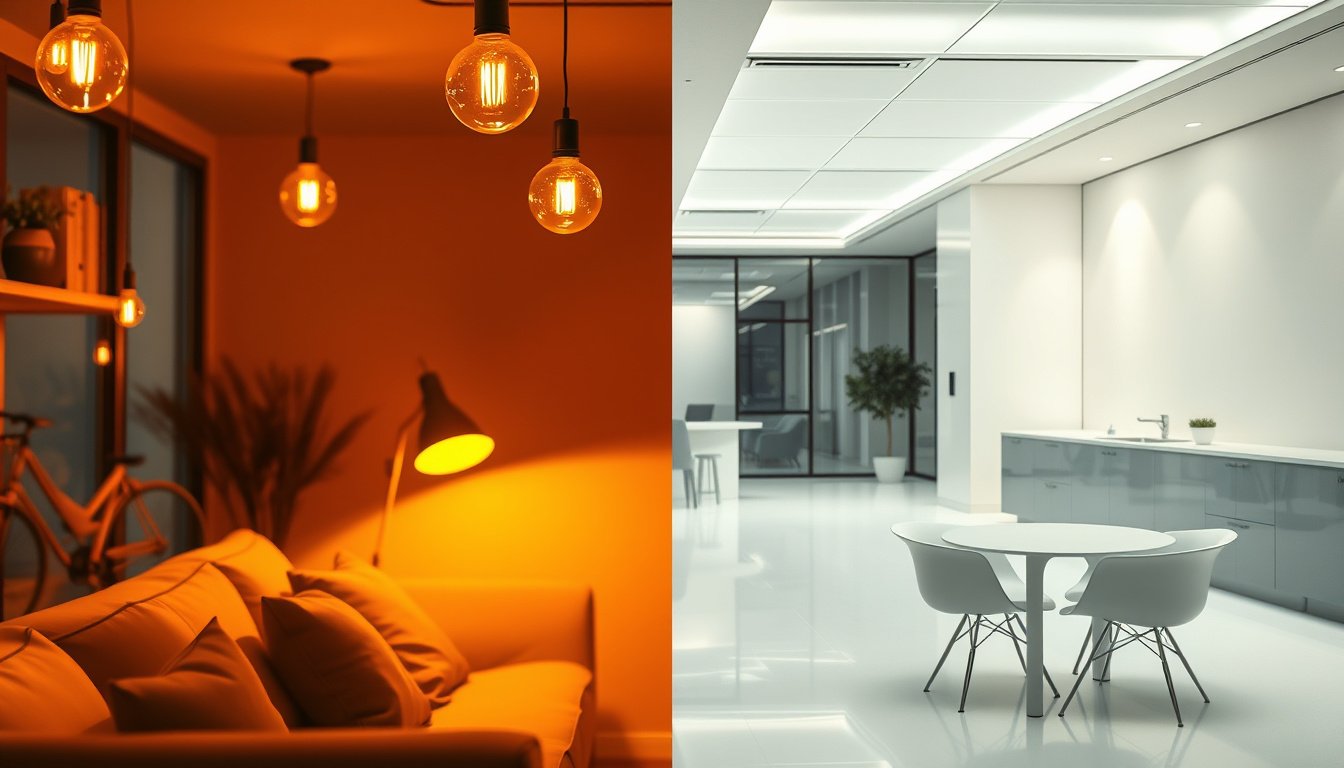
The magic of warm-toned bulbs vs. cool white
When it comes to setting the mood in a home or workspace, the choice of lighting can have a profound impact. Among the many options available, the magic of warm-toned bulbs vs. cool white bulbs stands out as a crucial consideration for creating the right ambiance. This article will guide you through the nuances of warm and cool light, explore their psychological effects, suggest practical applications for different lighting scenarios, and help you choose the right bulb for your specific needs.
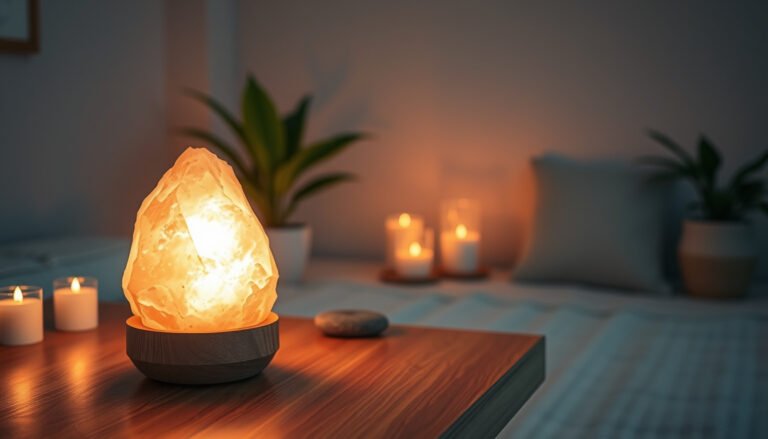
Candle Warmer Lamp with Timer & Dimmer – The Perfect Cozy Gift for Home Decor

Key Takeaways
- Warm-toned bulbs create a cozy, inviting atmosphere, while cool white bulbs promote alertness and focus.
- The psychological effects of lighting can significantly influence mood, productivity, and overall well-being.
- Different environments benefit from specific lighting types; warm tones are ideal for relaxation areas, while cool whites suit workspaces.
- Choosing the right bulb for your space involves considering not only aesthetics but also functionality and purpose.
- Experimenting with both warm and cool lighting can enhance the ambiance and practicality of any room.
Understanding Warm and Cool Light
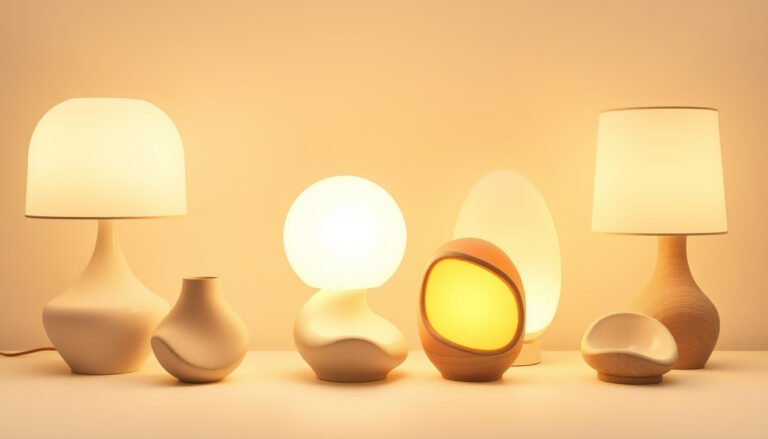
When it comes to illuminating our spaces, understanding the magic of warm-toned bulbs vs. cool white light can significantly influence the atmosphere of our homes and workplaces. Warm-toned bulbs, often glowing in shades of yellow and amber, create a cozy and inviting environment reminiscent of a sunset or a crackling fire. This type of lighting is perfect for relaxation areas, such as living rooms and bedrooms, as it promotes comfort and can even enhance social interactions. On the flip side, cool white light, characterized by its crisp, bluish hue, mimics daylight and is ideal for task-oriented environments like kitchens and offices. It provides clarity and focus, making it easier to complete tasks efficiently. By understanding the differences and applications of warm and cool light, one can effectively harness their unique qualities to set the mood and functionality of any space.
The Psychological Effects of Lighting
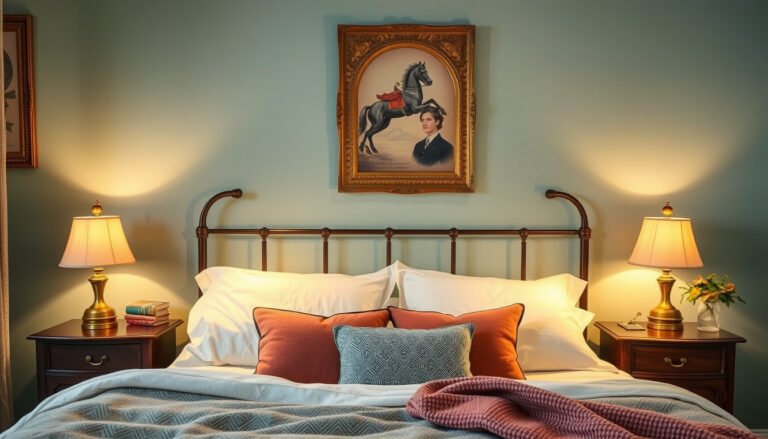
Lighting plays a pivotal role in shaping our mood and influencing our mental well-being, and understanding the psychological effects of lighting can enhance our living and working environments dramatically. When exploring the magic of warm-toned bulbs vs. cool white lights, it’s essential to recognize how these different light spectrums affect our emotions and perceptions. Warm-toned bulbs, with their soft, amber hues, tend to create a cozy, inviting atmosphere, making spaces feel more intimate and comfortable. This form of lighting is often linked to relaxation and is ideal for settings such as bedrooms and living rooms, helping to reduce anxiety and stress levels. On the other hand, cool white lights, with their bright, crisp appearance, are invigorating and promote alertness, making them perfect for workspaces and kitchens where focus and productivity are essential. The stark contrast between these two types of lighting can dramatically alter the ambiance of a room and influence our interactions within those spaces. Incorporating the right lighting not only enhances aesthetics but can also significantly contribute to our overall mental health.
‘Light is the magical ingredient that gives life to our homes; choosing the right tone can transform not just the space, but the spirit within it.’
Candle Warmer Lamp with Timer & Dimmer – The Perfect Cozy Gift for Home Decor

Practical Applications for Different Lighting
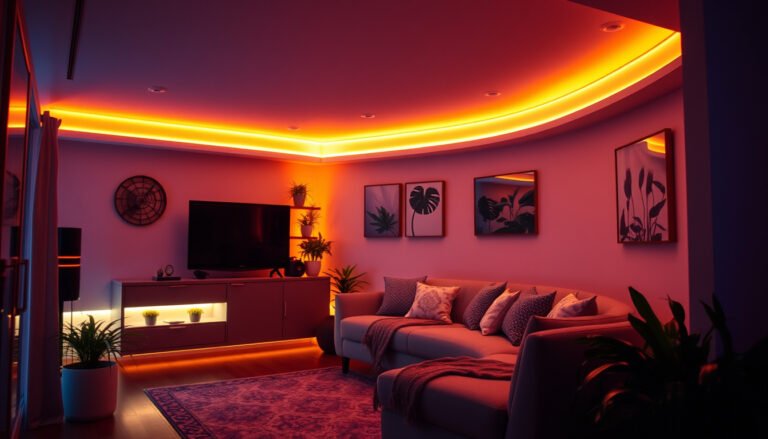
When it comes to interior lighting, the magic of warm-toned bulbs vs. cool white lighting can dramatically transform a space. Warm-toned bulbs, with their soft, golden hues, create an inviting and cozy atmosphere, making them ideal for living areas and bedrooms. They enhance skin tones and make spaces feel more welcoming, perfect for family gatherings or a relaxed evening at home. On the other hand, cool white bulbs, characterized by their bright, crisp light, are fantastic for task-oriented areas such as kitchens, offices, and bathrooms where clarity and focus are essential. They help in reducing eye strain during detailed tasks and can create an energizing environment. Understanding the practical applications of these two lighting types allows you to curate each room’s ambiance effectively, ensuring both comfort and functionality are achieved.
Choosing the Right Bulb for Your Space
When it comes to selecting lighting for your home or workspace, understanding the magic of warm-toned bulbs vs. cool white is essential for creating the perfect ambiance. Warm-toned bulbs, typically with a color temperature of 2700K to 3000K, cast a soft, inviting glow that evokes a sense of comfort and warmth—ideal for living rooms, bedrooms, and dining areas where relaxation and intimacy are key. On the other hand, cool white bulbs, which range from 4000K to 5000K, emit a brighter, more energizing light that can enhance productivity and focus, making them suitable for kitchens, offices, and workspaces. By identifying the specific mood you wish to create in each area of your space, you can leverage the unique properties of warm and cool lighting to enhance both functionality and aesthetics of your environment.